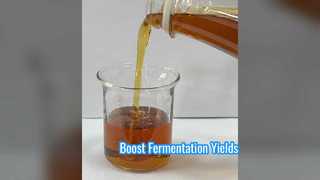
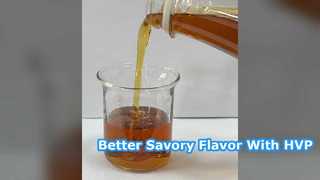
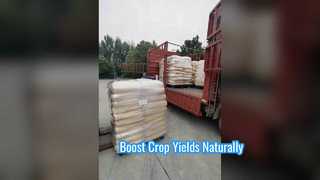
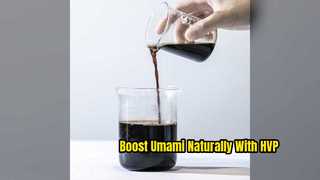
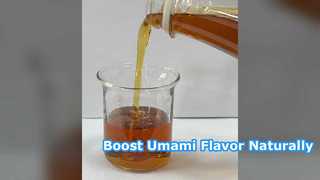
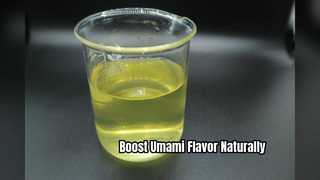
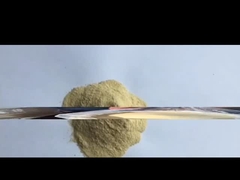
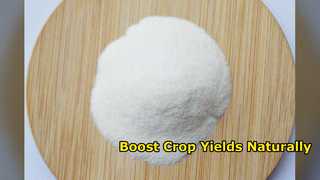
Brief: Our team walks you through how the 70% Amino Acid Liquid performs in common agricultural scenarios. You'll see a demonstration of its application via foliar spray and drip irrigation, learn how its low chlorine content and full chelation benefit crop growth and soil health, and discover its role as a raw material for liquid fertilizers and biostimulants.
Related Product Features:
Contains a high concentration of free amino acids, with over 700 g/L for enhanced crop growth.
Features very low chlorine content below 3%, making it safe for sensitive crops and soil structures.
Is fully chelated and 100% water-soluble, ensuring no precipitation and easy application.
Derived from natural plant sources through hydrolysis, offering an eco-friendly solution.
Heavy metals are controlled within safe limits, meeting strict agricultural standards.
Ideal for use as a base in liquid fertilizers, biostimulants, and soil conditioners.
Promotes nutrient uptake and stress resistance in crops when applied via foliar spray or drip irrigation.
Serves as an effective amino acid chelator to improve micronutrient absorption and efficiency.
FAQs:
What is the chlorine content in this amino acid liquid, and why is it important?
The chlorine content is less than 3%, which is very low. This is crucial because low chlorine levels make the product safe for sensitive crops and help maintain healthy soil structures, preventing potential damage from chloride accumulation.
How can this amino acid liquid be applied in agriculture?
It is fully soluble and can be applied through foliar spray or drip irrigation systems. It is also used as a raw material for liquid fertilizers and biostimulants, enhancing nutrient uptake and crop stress resistance effectively.
What are the key benefits of the high free amino acid content in this product?
With a free amino acid content of at least 700 g/L, it provides bioactive compounds that support plant growth, improve soil health, and boost the efficiency of fertilizers, leading to better crop quality and yield.
Is this amino acid liquid safe for the environment and crops?
Yes, it is plant-based, produced through hydrolysis, and has controlled heavy metal levels within safe limits. Its low chlorine content and eco-friendly origin make it a sustainable choice for agricultural use.