





| Place of Origin: | CHINA |
|---|---|
| Brand Name: | SHIHONG |
| Certification: | SGS |
| Model Number: | AA90 |
| Minimum Order Quantity: | 1MT |
| Price: | 2.98$ per kg |
| Packaging Details: | 20KG/BAG, (Kraft bag outside and 2 PE bags inside),or as customers’ requests. |
| Delivery Time: | 5~15 days |
| Payment Terms: | T/T, L/C |
| Supply Ability: | 1000 tons per month |
| Chemicalname: | Chemical | Amino Acid: | ≥90% |
|---|---|---|---|
| Storage: | Dry Cool Place | Grade Standard: | Food Grade, Industrial Grade |
| Content: | 90% | Usage: | Used As A Solvent And In Chemical Synthesis |
| Highlight: | 90% Amino Acid Content Amino Acid Powder,Plant-Based Organic Nitrogen Source,High-Purity Fermentation Grade Amino Acid |
||
| Pain Points with Traditional Nitrogen Sources | How This Product Solves Them |
|---|---|
| Yeast extract / peptone batches vary widely, leading to unstable fermentation titres | Fixed amino acid composition with minimal batch‑to‑batch variation – excellent process reproducibility |
| Animal‑based nitrogen sources contain undefined growth factors, complicating downstream purification | 100% plant‑based – no animal DNA / protein residues, simplifying post‑fermentation processing |
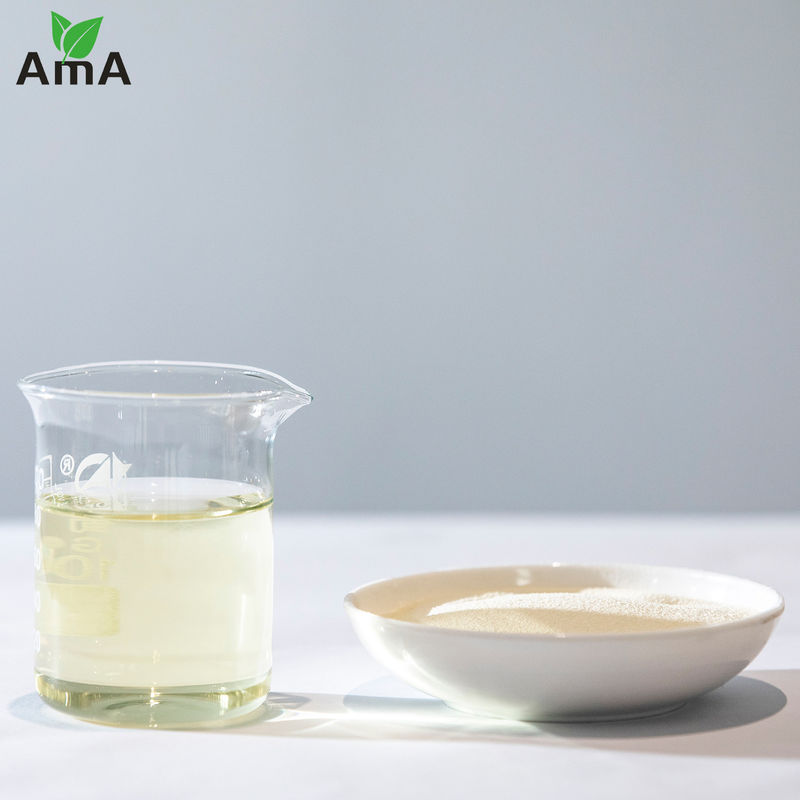
| High‑concentration feed solutions tend to precipitate, clogging feed lines | 20% solutions remain clear for extended periods – smooth feeding, ideal for high‑cell‑density fermentation |
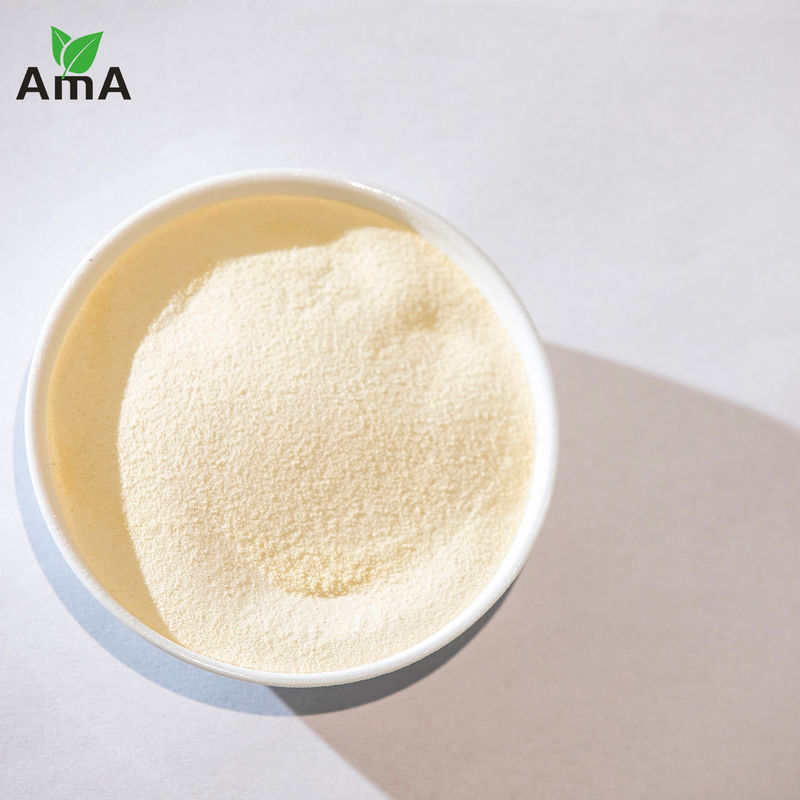
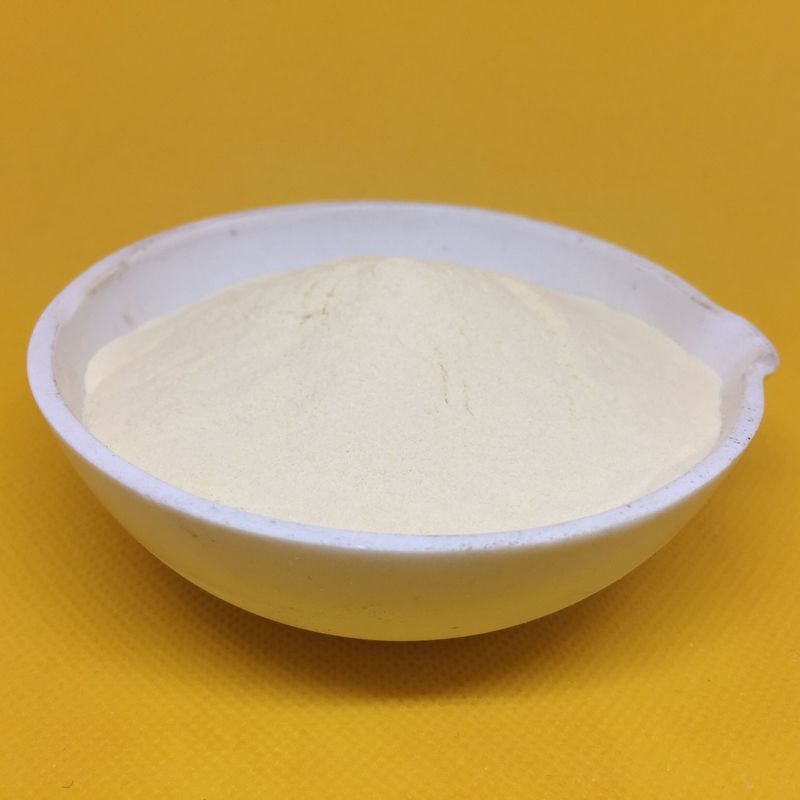
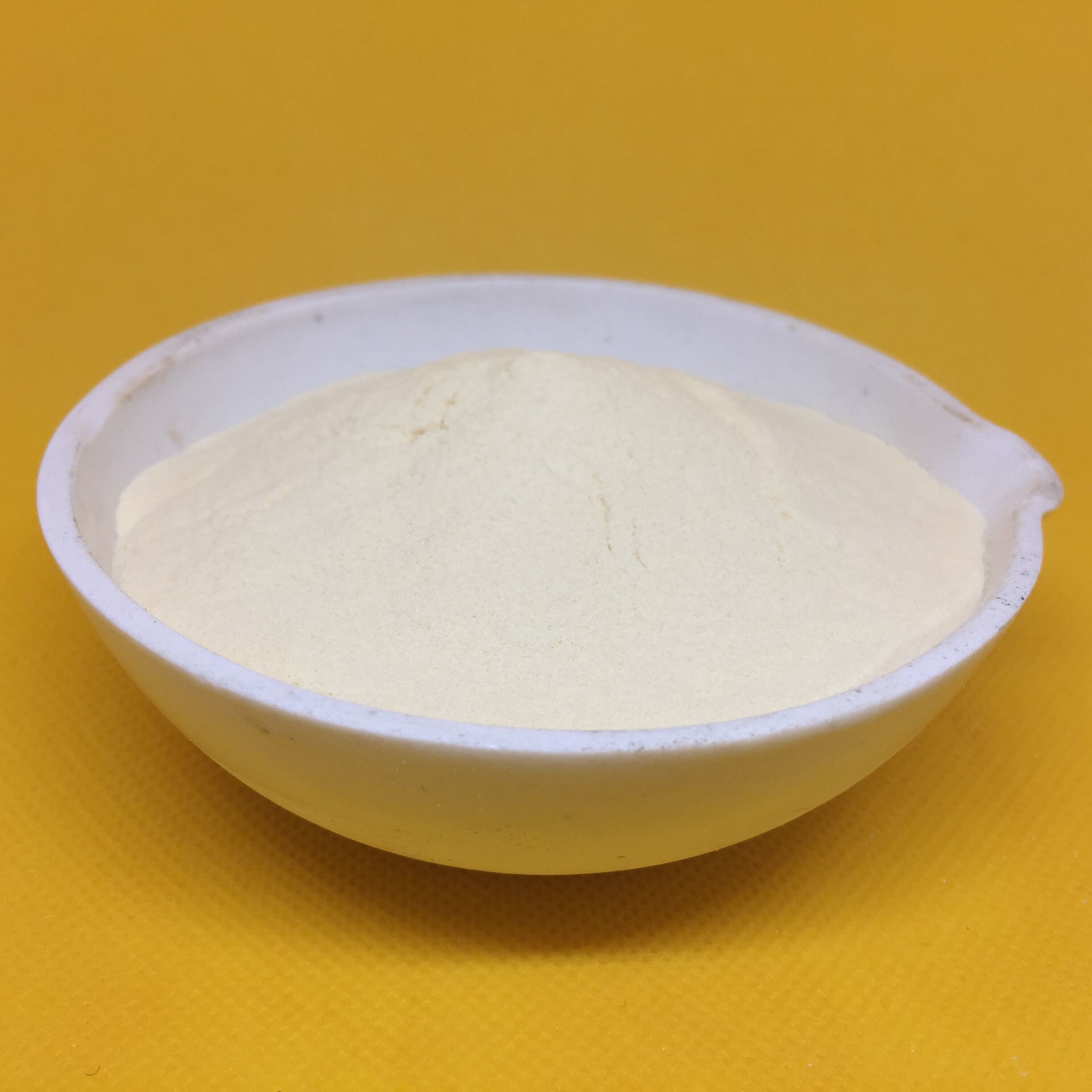
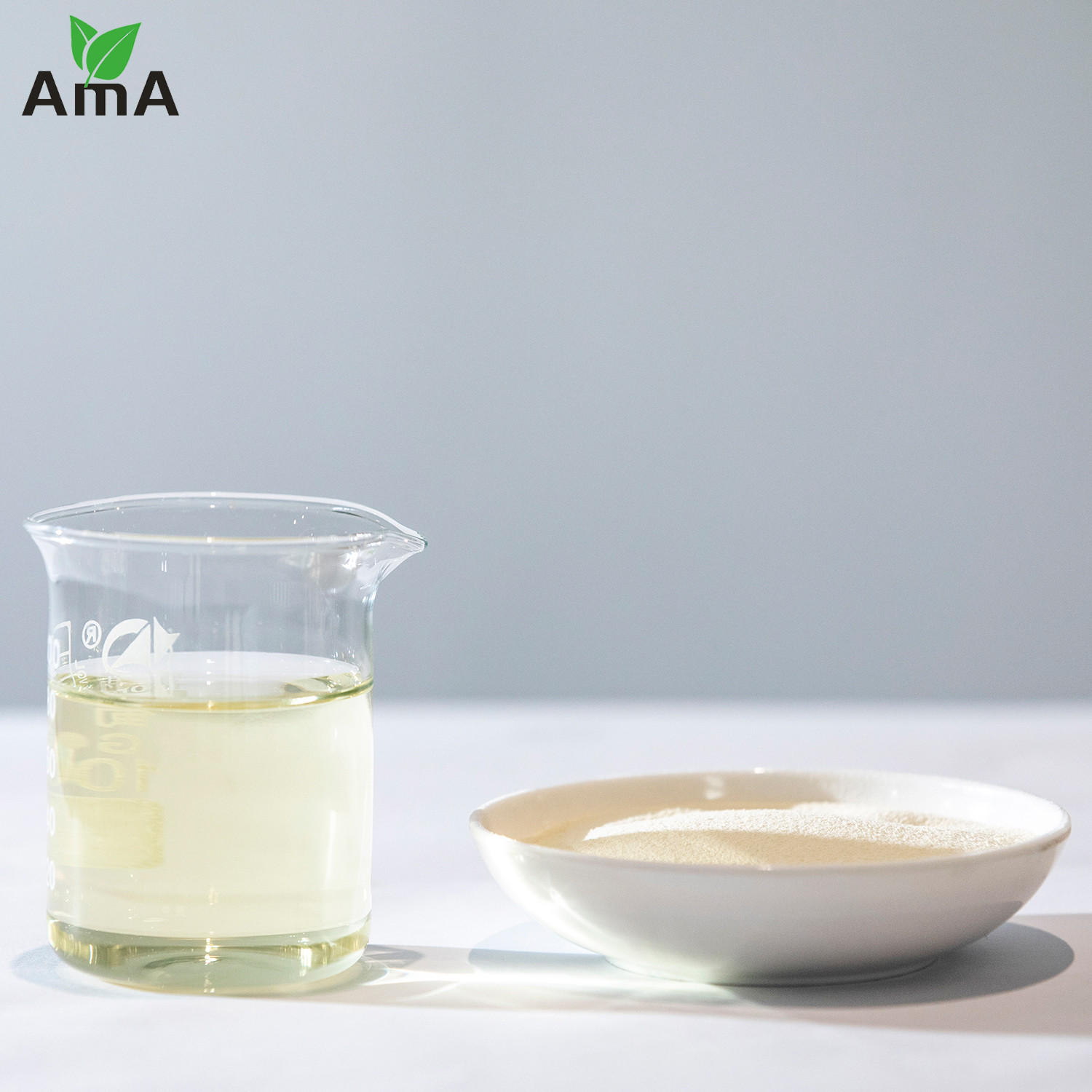
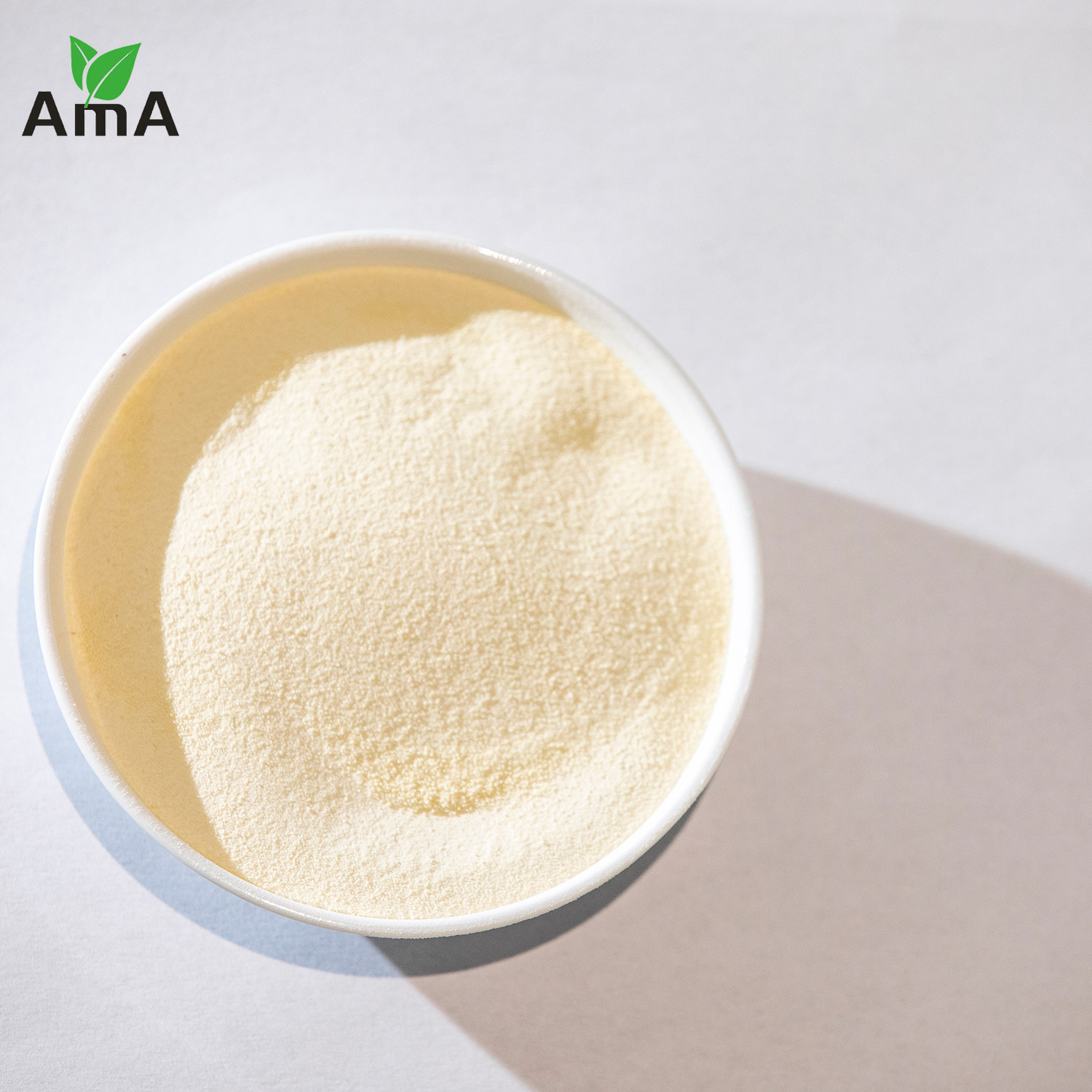
This product is a high‑purity free amino acid powder manufactured from non‑GMO plant proteins via directed enzymatic hydrolysis and membrane separation. It contains ≥85% free amino acids (90% grade) and ≥12.41% total nitrogen, presented as a pure white powder with 100% water solubility.
It is not a simple protein hydrolysate, but a chemically defined, nutritionally balanced, and exceptionally stable organic nitrogen source. It serves as a direct replacement for yeast extract, tryptone, beef extract, and other traditional nitrogen sources in industrial fermentation of bacteria, yeasts, actinomycetes, and selected fungi.
Rapidly Assimilable Nitrogen – Shortens Lag Phase
Free amino acids are directly available for microbial metabolism without the need for macromolecular protein breakdown. Cultures enter exponential growth soon after inoculation, potentially reducing fermentation cycles by 10%–20%.
Balanced Amino Acid Profile – Prevents Nutritional Deficiencies
The 18 amino acids are present in harmonious proportions, with especially high levels of glutamic acid (17.43%), alanine (10.29%), valine (10.47%), and threonine (9.46%) – meeting the nitrogen requirements of most production strains.
Low Chloride Content (≤1.98%)
Reduces corrosion of stainless steel vessels and lowers ionic strength in the medium – particularly beneficial for osmotically sensitive strains.
Plant‑Derived, Hydroxyproline‑Free
Completely eliminates risks of pathogens, endotoxins, and allergens associated with animal‑based raw materials, greatly reducing downstream purification burden.
Heavy Metals Far Below National Limits
Hg, As, Cd, Pb, and Cr are all below detection limits – compliant with pharmaceutical‑grade and food‑grade fermentation raw material requirements.
Heat‑Stable – No Precipitation After Sterilisation
Solutions remain clear even after autoclaving at 121°C, with no flocculation that could interfere with online monitoring (e.g., OD measurements).
| Parameter | Specification | Actual Result |
|---|---|---|
| Appearance | White powder | White powder |
| Solubility | Fully soluble | Fully soluble (100%) |
| pH (1% solution, 25°C) | 4.0 – 7.0 | 6.52 |
| Total Nitrogen (N) | ≥ 11.0% | 12.41% |
| Free Amino Acids (as 90% grade) | ≥ 85% | 85.11% |
| Chloride (Cl⁻) | ≤ 3.0% | 1.98% |
| Mercury (Hg) | ≤ 0.0005% | < 0.0005% |
| Arsenic (As) | ≤ 0.001% | < 0.001% |
| Cadmium (Cd) | ≤ 0.001% | < 0.001% |
| Lead (Pb) | ≤ 0.005% | < 0.005% |
| Chromium (Cr) | ≤ 0.005% | < 0.005% |
| Amino Acid | % | Amino Acid | % |
|---|---|---|---|
| L‑Aspartate | 9.68 | L‑Isoleucine | 0.98 |
| L‑Threonine | 9.46 | L‑Leucine | 0.10 |
| L‑Serine | 1.95 | L‑Tyrosine | 0.35 |
| L‑Glutamic acid | 17.43 | L‑Phenylalanine | 2.27 |
| L‑Glycine | 8.45 | L‑Lysine | 5.32 |
| L‑Alanine | 10.29 | L‑Histidine | 0.07 |
| L‑Cystine | 0.18 | L‑Arginine | 4.68 |
| L‑Valine | 10.47 | L‑Proline | 1.37 |
| L‑Methionine | 1.54 | L‑Tryptophan | 0.52 |
Glutamic acid + alanine + valine + threonine together account for nearly 48% – these four amino acids are precisely the core nitrogen requirements for many industrial strains (e.g., Corynebacterium glutamicum, Escherichia coli, Bacillus spp.).
Supplies amino nitrogen directly, reducing the energy cost for precursor biosynthesis and improving conversion yields.
Recommended addition: 10–20 g/L, can be combined with inorganic nitrogen (ammonium sulfate, urea).
Specific small peptides and free amino acids induce expression of secondary metabolite gene clusters, boosting titres.
Recommended as a fed‑batch nitrogen source – prepare a 100–150 g/L feed solution, sterilise by filtration, and add during fermentation.
Amino acids act as inducers for extracellular enzyme secretion, increasing enzyme yield per unit biomass.
Add 5–15 g/L in the basal medium; supplement during fed‑batch as needed.
Balanced nitrogen source maintains cell vitality, reduces by‑product formation, and improves carbon conversion efficiency.
Replaces yeast extract at lower cost with consistent batch quality; significantly increases viable cell counts.
| Parameter | Recommendation |
|---|---|
| Basal medium concentration | 5–30 g/L, adjusted according to total nitrogen requirements (this product has 12.41% N, i.e., 1 g provides ~0.124 g nitrogen) |
| Sterilisation | Autoclave at 115–121°C for 20 minutes. Can be co‑sterilised with sugars; however, if a light‑coloured medium is required (e.g., clear fermentation broths), sterilise separately or mix after cooling to avoid Maillard browning. |
| Feed solution preparation | Prepare a 50–200 g/L stock solution; sterilise separately (115°C, 15 min) or by filtration; add during mid‑fermentation. |
| pH adjustment | The natural pH of a 1% solution is ~6.5; adjust to the target pH after mixing with other medium components. |
| Compatibility | Compatible with most mineral salts and vitamins. If mixing with high concentrations of calcium or magnesium ions, perform a small‑scale test first to confirm no precipitation. |
Packaging: 25‑kg multi‑wall kraft paper bags with inner food‑grade polyethylene moisture‑barrier liner.
Storage: Keep in a cool, dry, well‑ventilated area, away from direct sunlight. After opening, seal tightly to prevent moisture absorption.
Shelf life: 24 months from production date in original unopened packaging under recommended conditions.
Each batch is accompanied by an independent Certificate of Analysis (COA) covering all technical specifications and amino acid composition. We retain retention samples for traceability to ensure batch‑to‑batch consistency. For sample requests or detailed technical documentation, please contact our technical team.