| Place of Origin: | CHINA |
|---|---|
| Brand Name: | SHIHONG |
| Certification: | SGS |
| Model Number: | AA90 |
| Minimum Order Quantity: | 1MT |
| Price: | 2.98$ per kg |
| Packaging Details: | 20KG/BAG, (Kraft bag outside and 2 PE bags inside),or as customers’ requests. |
| Delivery Time: | 5~15 days |
| Payment Terms: | T/T, L/C |
| Supply Ability: | 1000 tons per month |
| Storage Conditions: | Dry And Cool Place | Advantage: | Organic |
|---|---|---|---|
| Organic N: | 12% | Ingredients: | High Active Small Molecular Peptides |
| Service: | OEM | Solubility: | Soluble In Water |
| Moisture Content: | < 5% | Type: | Amino Acid |
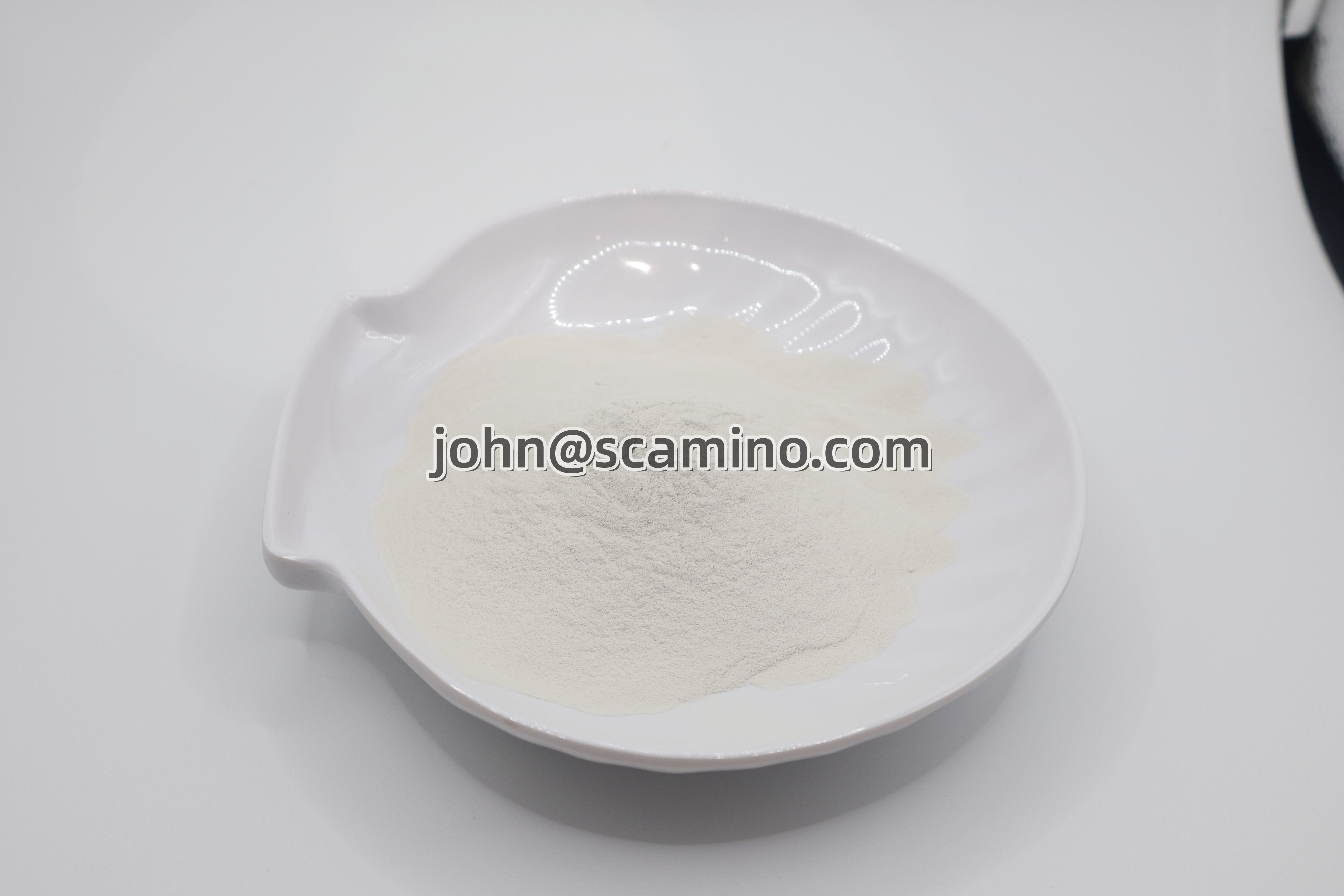
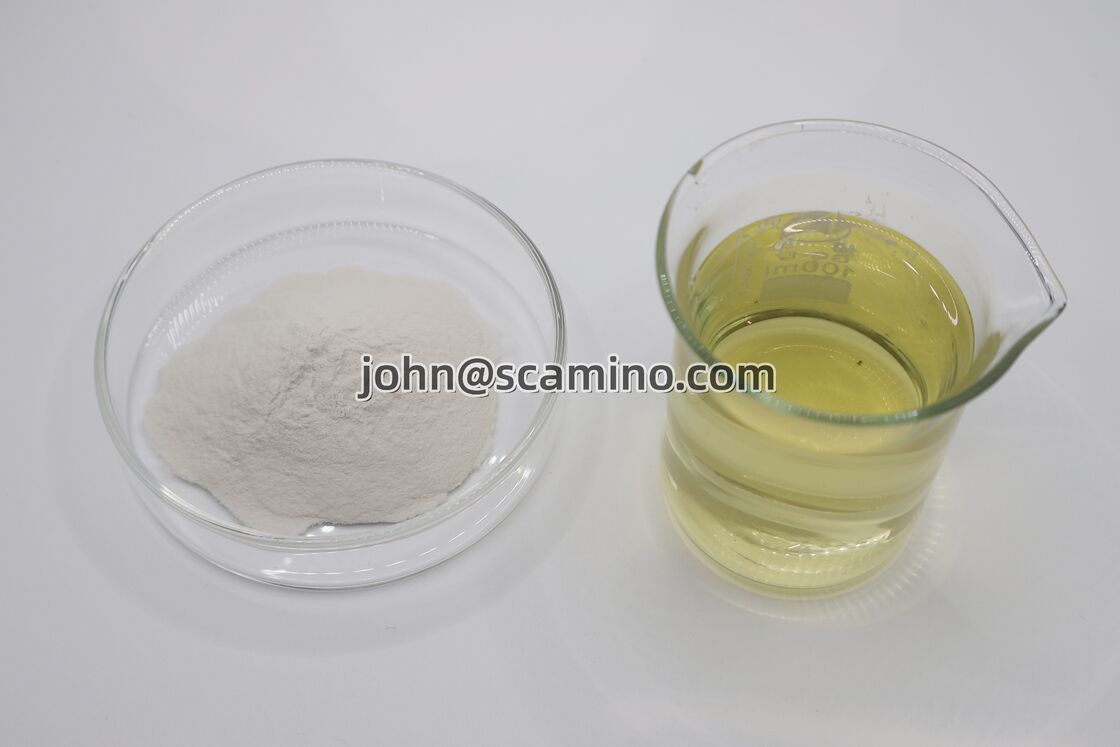
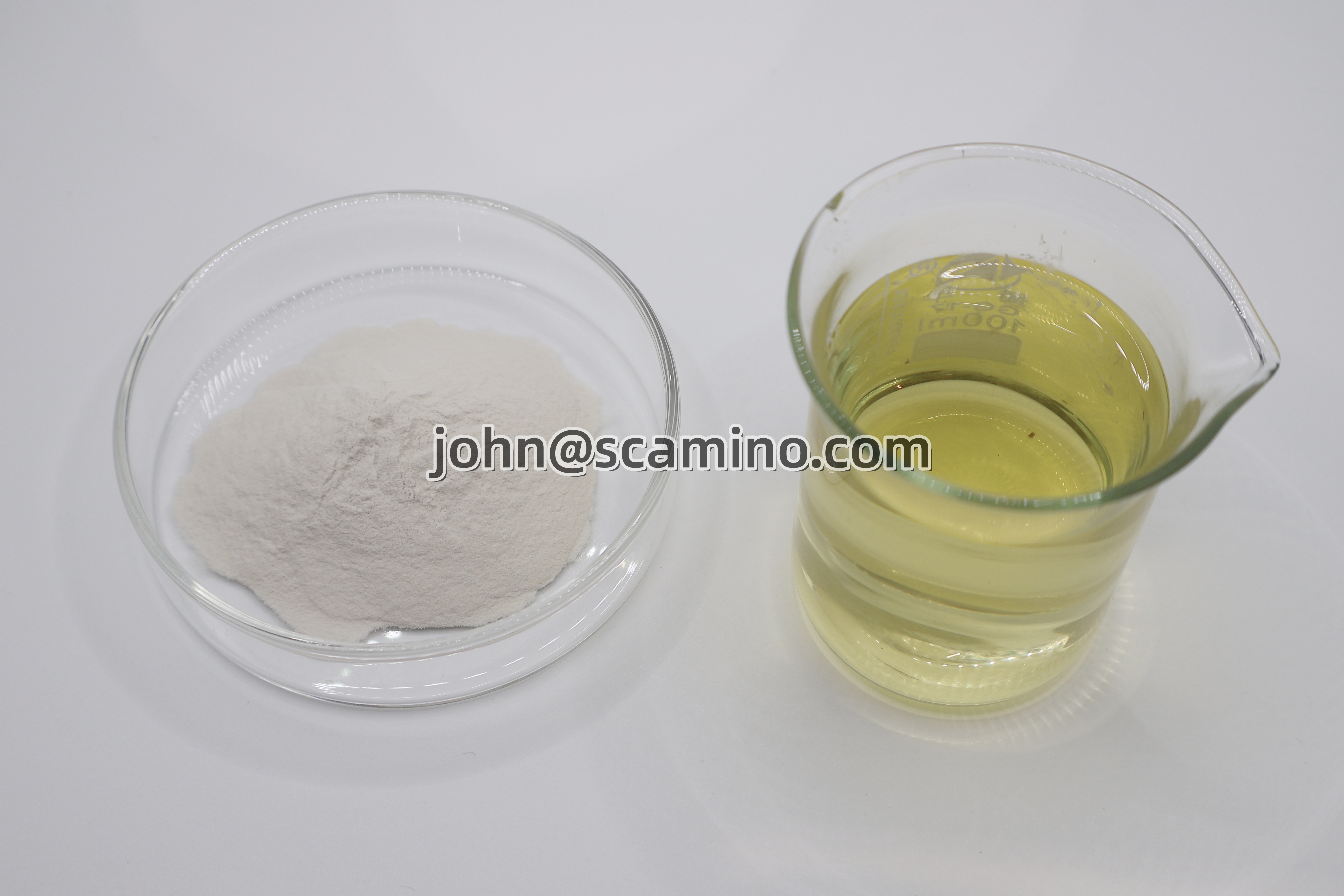
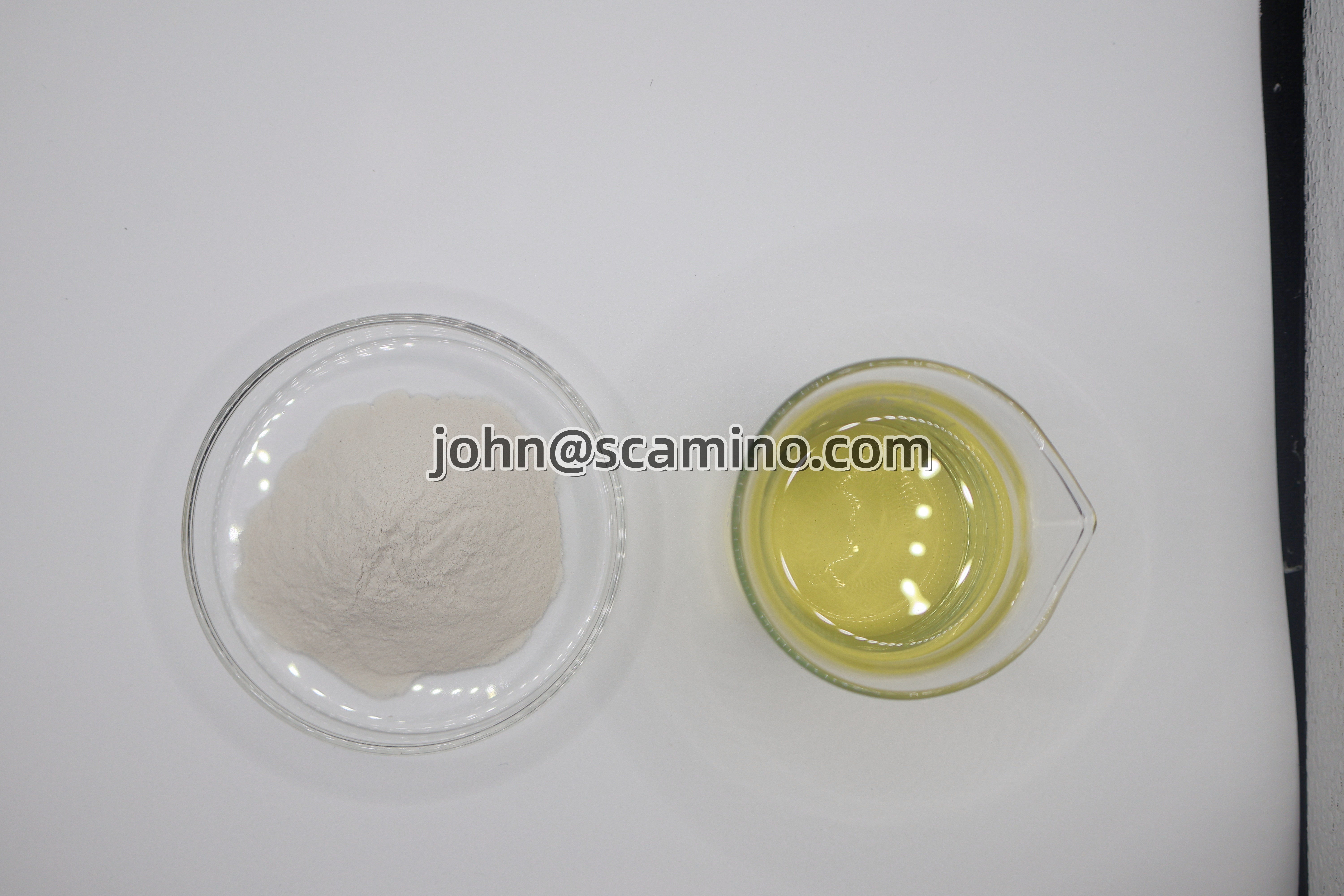
| Color: | White Powder | Style: | Plant |
| Storagecondition: | Store In A Cool, Dry Place Away From Direct Sunlight | Productname: | Amino Acid 90% |
| Highlight: | 90% Free Amino Acids Amino Acid Powder,Plant-Based Organic Nitrogen Source,Low Chloride Fermentation-Grade Amino Acid |
||
This product is a refined, plant‑based amino acid powder produced from non‑GMO vegetable proteins (soybean/corn) via controlled enzymatic hydrolysis and membrane purification. It contains ≥85% free amino acids (90% grade) and ≥12.41% total nitrogen, presented as a pure white, free‑flowing powder with complete water solubility.
Designed as a premium organic nitrogen feedstock, it serves the fermentation and bio‑chemical industries as a direct replacement for yeast extract, peptone, meat extract, and other complex nitrogen sources. Its balanced amino acid profile, low chloride content, and exceptional solution stability make it ideal for both research‑scale and industrial‑scale bioprocesses.
| Benefit | How It Translates to Performance |
|---|---|
| Rich in free amino acids | Provides immediate assimilable nitrogen, reducing lag phase and accelerating biomass accumulation. |
| Balanced 18‑amino acid spectrum | Supplies all essential amino acids for protein synthesis, minimising auxotrophy and metabolic bottlenecks. |
| 100% soluble, 20% stable solutions | Allows high‑strength feed solutions for fed‑batch processes without precipitation or clogging. |
| Low chloride (<2%) | Reduces ionic stress and corrosion in stainless steel fermenters – critical for sensitive strains. |
| Plant‑derived, hydroxyproline‑free | Eliminates risks of animal‑borne contaminants (prions, hormones) and simplifies downstream purification. |
| Ultra‑low heavy metals | Meets stringent pharmacopoeia and food‑grade fermentation requirements (e.g., for API production). |
| White colour | Does not interfere with optical density measurements during online monitoring. |
| Parameter | Specification | Actual Value |
|---|---|---|
| Appearance | White powder | White powder |
| Solubility | 100% water‑soluble | 100% soluble |
| pH (1% solution, 25°C) | 4.0 – 7.0 | 6.52 |
| Total Nitrogen (N) | ≥ 11.0% | 12.41% |
| Free Amino Acids (as 90% grade) | ≥ 85% | 85.11% |
| Chloride (Cl⁻) | ≤ 3.0% | 1.98% |
| Mercury (Hg) | ≤ 0.0005% | < 0.0005% |
| Arsenic (As) | ≤ 0.001% | < 0.001% |
| Cadmium (Cd) | ≤ 0.001% | < 0.001% |
| Lead (Pb) | ≤ 0.005% | < 0.005% |
| Chromium (Cr) | ≤ 0.005% | < 0.005% |
All heavy metals are below detection limits – suitable for fermentation of pharmaceutical intermediates, food additives, and bio‑chemicals.
| Amino Acid | % | Amino Acid | % |
|---|---|---|---|
| L‑Aspartate | 9.68 | L‑Isoleucine | 0.98 |
| L‑Threonine | 9.46 | L‑Leucine | 0.10 |
| L‑Serine | 1.95 | L‑Tyrosine | 0.35 |
| L‑Glutamic acid | 17.43 | L‑Phenylalanine | 2.27 |
| L‑Glycine | 8.45 | L‑Lysine | 5.32 |
| L‑Alanine | 10.29 | L‑Histidine | 0.07 |
| L‑Cystine | 0.18 | L‑Arginine | 4.68 |
| L‑Valine | 10.47 | L‑Proline | 1.37 |
| L‑Methionine | 1.54 | L‑Tryptophan | 0.52 |
Note: High levels of glutamic acid, alanine, valine, and threonine – exactly the amino acids most consumed during antibiotic, enzyme, and amino‑acid fermentation.
This product is a versatile organic nitrogen source for a wide range of microbial and cell‑culture processes:
Target products: L‑glutamic acid, L‑lysine, L‑threonine, L‑tryptophan, etc.
Role: Supplies amino groups directly for transamination, reducing the energy cost for precursor biosynthesis and enhancing yield.
Examples: Cephalosporins, penicillins, erythromycin, polyketides.
Role: Specific peptide fractions act as inducers or precursors for biosynthetic gene clusters, improving titres.
Examples: Proteases, amylases, lipases, cellulases, phytases.
Role: The free amino acids and small peptides stimulate the secretion of extracellular enzymes and support high‑cell‑density cultures.
Examples: Citric acid, lactic acid, succinic acid, 1,3‑propanediol, and other bio‑based chemicals.
Role: Provides a balanced nitrogen source that minimises acid‑stress responses and improves carbon conversion efficiency.
Applications: Baker’s yeast, feed yeasts, lactic acid bacteria, Bacillus spp.
Role: Enhances biomass yield and viability, especially in high‑gravity or high‑osmolarity media.
As a plant‑derived alternative to serum or animal peptones, it supports mammalian and insect cell lines in serum‑free or low‑protein media (subject to specific formulation optimisation).
| Parameter | Recommendation |
|---|---|
| Typical concentration | 5 – 30 g/L (adjust based on total nitrogen demand and strain requirements). |
| Sterilisation | Autoclave at 115–121°C for 20 minutes. For heat‑sensitive media, sterilise separately and add aseptically after cooling. |
| Maillard reaction caution | Because of reducing groups, avoid co‑sterilisation with sugars at high temperature if a light‑coloured medium is required (e.g., for hyaluronic acid or vaccine production). Sterilise the amino acid powder separately or mix after cooling. |
| Fed‑batch preparation | Prepare a concentrated stock solution (50–200 g/L), sterilise by filtration or autoclaving, and feed during mid‑exponential phase to prevent nitrogen depletion and cell autolysis. |
| pH adjustment | The natural pH (~6.5) of a 1% solution is near neutral; adjust with acid/base according to your medium formulation. |
| Compatibility | Compatible with most mineral salts, vitamins, and trace elements. For chelate‑sensitive media, conduct small‑scale tests when mixing with high‑concentration metal ions. |
Packaging: 25‑kg multi‑wall kraft paper bags with a food‑grade polyethylene inner liner.
Storage: Keep in a cool, dry, well‑ventilated warehouse, away from direct sunlight and moisture. After opening, reseal tightly to prevent caking.
Shelf life: 24 months from production date in original unopened packaging under recommended storage conditions.
Each batch is accompanied by a Certificate of Analysis (COA) that includes all parameters listed above. Our quality system ensures batch‑to‑batch consistency, making this product reliable for both R&D and commercial‑scale fermentation. For specific analytical requests or sample trials, please contact our technical support team.
Overall Rating
Rating Snapshot
The following is the distribution of all ratingsAll Reviews