Silk Amino Acids for Cosmetics: Product Overview and Functional Benefits
Silk amino acids are high-performance cosmetic ingredients derived from the controlled hydrolysis of natural silk proteins. Widely used in premium skincare and haircare formulations, they offer a unique combination of moisturizing, conditioning, and protective properties, making them highly valuable in modern cosmetic science.
These amino acids originate primarily from two silk proteins — fibroin and sericin — which together form the structural basis of silk fibers. Fibroin provides strength, while sericin contributes hydrophilic and bioactive characteristics essential for cosmetic functionality .
Product Description
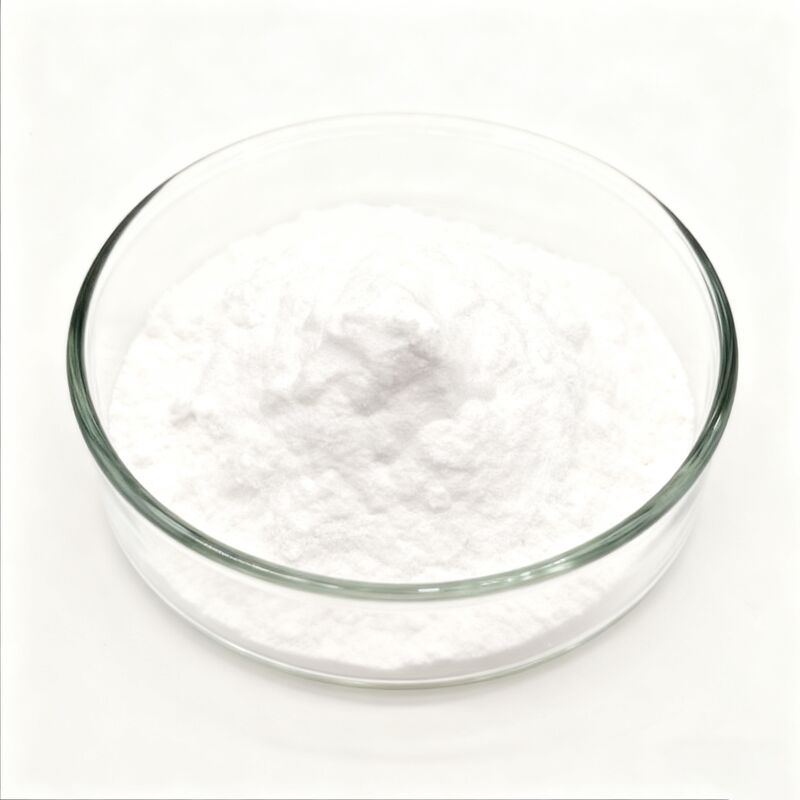
Silk amino acids (also known as hydrolyzed silk or silk fibroin peptides) are typically available as:
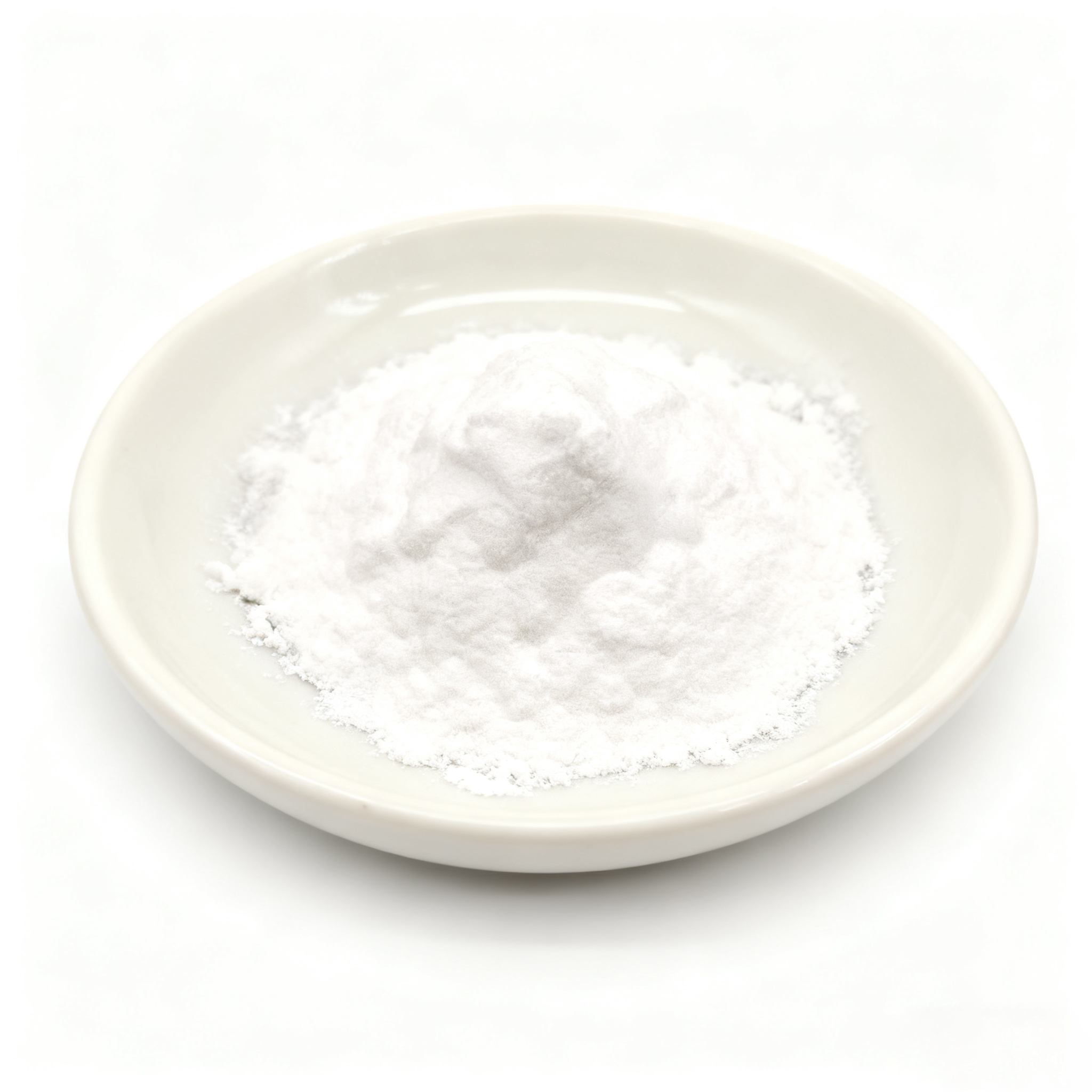
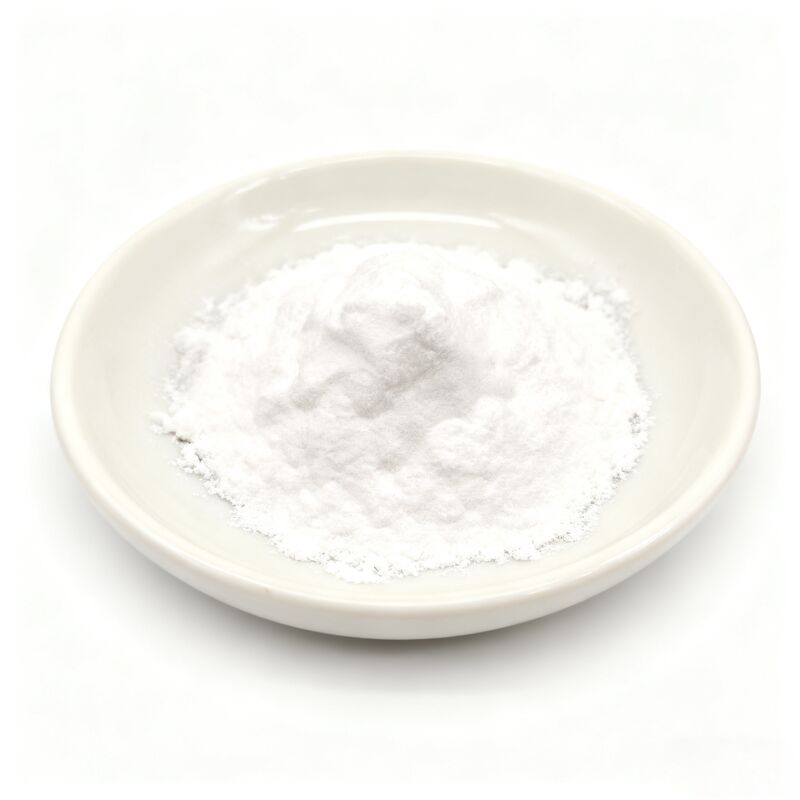
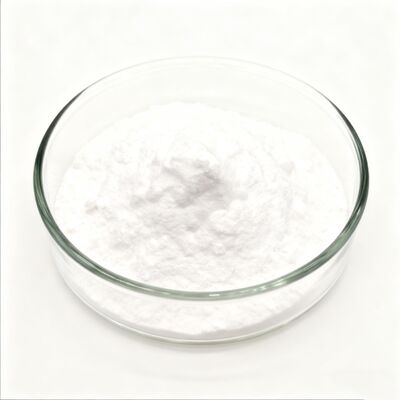
| Appearance |
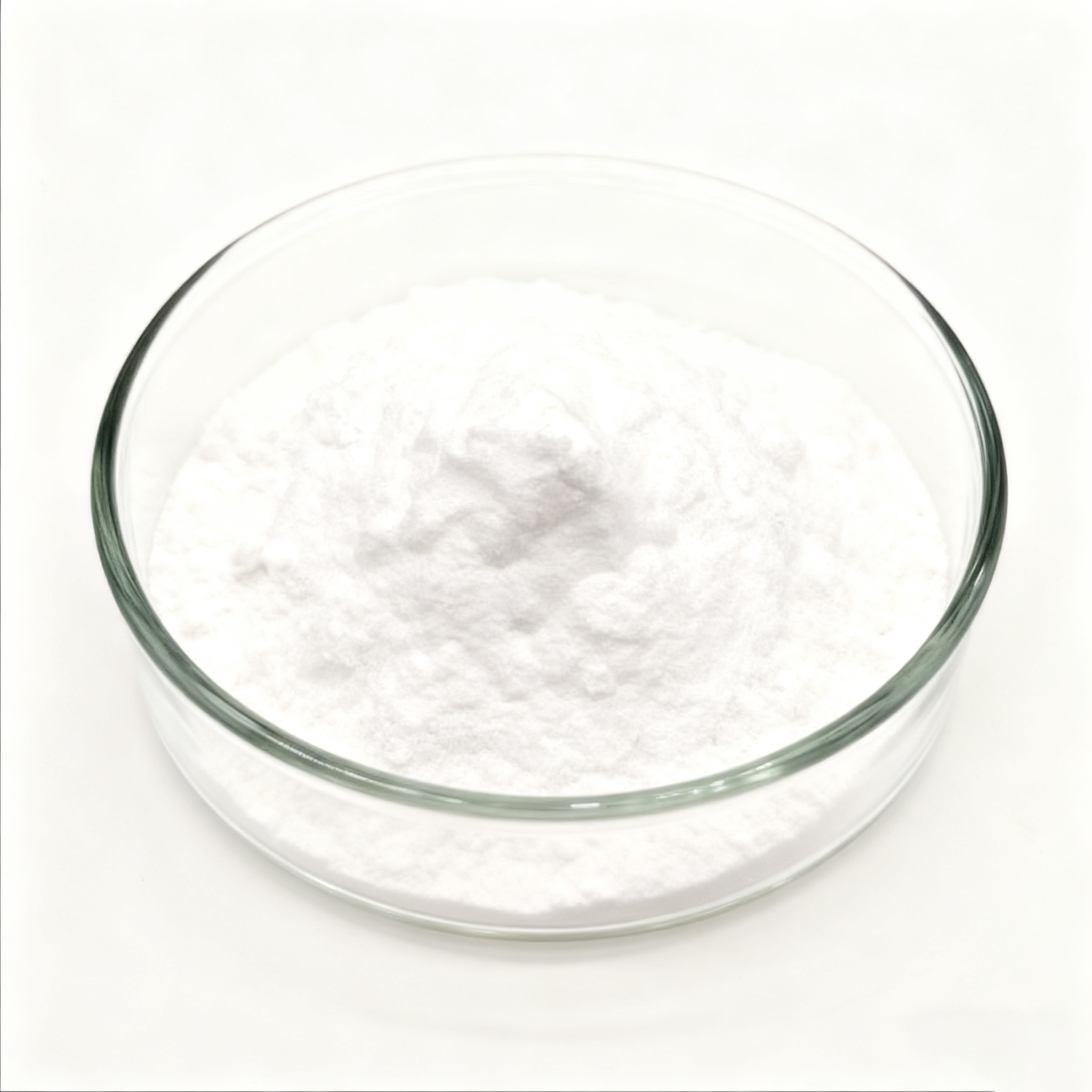
White powder / Transparent liquid |
| Amino Acid Content |
≥ 90% |
| Major Components |
Glycine, Alanine, Serine (> 75%) |
| pH Value |
5.0 – 7.0 |
| Solubility |
Completely water-soluble |
| Heavy Metals |
Within safe cosmetic limits |
| Microbiology |
Pathogen-free |
- White powder (high purity, easy to formulate)
- Transparent liquid (water-soluble, convenient for direct use)
They are composed of low molecular weight amino acids such as serine, glycine, and alanine, enabling efficient absorption and excellent compatibility with skin and hair.
Key Cosmetic Functions
1. Superior Moisturizing Performance
Silk amino acids are highly hygroscopic, meaning they attract and retain moisture. Their hydrophilic amino acid structure allows them to bind water molecules and reduce transepidermal water loss (TEWL), improving skin hydration levels .
2. Film Formation and Skin Protection
After application, silk amino acids create a thin, breathable protective film on the skin surface. This film helps maintain moisture balance and enhances smoothness without blocking pores .
3. Anti-Aging and Skin Conditioning
Silk proteins demonstrate antioxidant and anti-inflammatory properties, which contribute to reducing visible signs of aging such as dryness and fine lines. They also support collagen activity and skin elasticity .
4. Hair Repair and Strengthening
In haircare applications, silk amino acids can penetrate the hair shaft and bind with keratin, forming a protective layer that:
- Enhances shine and softness
- Reduces breakage
- Improves manageability
5. Biocompatibility and Safety
Silk amino acids are biocompatible, biodegradable, and generally non-irritating, making them suitable for sensitive skin formulations and clean beauty products .
Applications in Cosmetic Formulations
Silk amino acids are widely used across multiple product categories:
Skin Care
- Moisturizing creams and lotions
- Anti-aging serums
- Facial masks and essences
- Cleansers and toners
Hair Care
- Shampoos and conditioners
- Hair masks and leave-in treatments
- Styling products
Decorative Cosmetics
- Foundations and BB creams
- Lipsticks and mascaras
- Primers and powders
Their versatility allows formulators to enhance both functional performance and sensory experience.
Technical Advantages for Formulators
- Excellent water solubility for easy incorporation
- Wide pH compatibility in cosmetic systems
- Low irritation profile suitable for daily use
- Synergistic effects with humectants and peptides
These features make silk amino acids an ideal ingredient for high-end and multifunctional cosmetic formulations.
Conclusion
Silk amino acids represent a premium, natural-origin ingredient with proven benefits in hydration, protection, and conditioning. Their ability to improve both product efficacy and sensory appeal makes them a preferred choice in advanced cosmetic development. As demand grows for effective and sustainable ingredients, silk amino acids continue to play a key role in next-generation beauty formulations.
SEO Keywords (Google-Optimized)
- silk amino acids cosmetic ingredient
- hydrolyzed silk protein for skin care
- silk amino acids benefits for hair and skin
- cosmetic grade silk amino acids supplier
- silk fibroin peptides moisturizing effect

Ratings & Review


 Your message must be between 20-3,000 characters!


Overall Rating
Rating Snapshot
The following is the distribution of all ratingsAll Reviews